
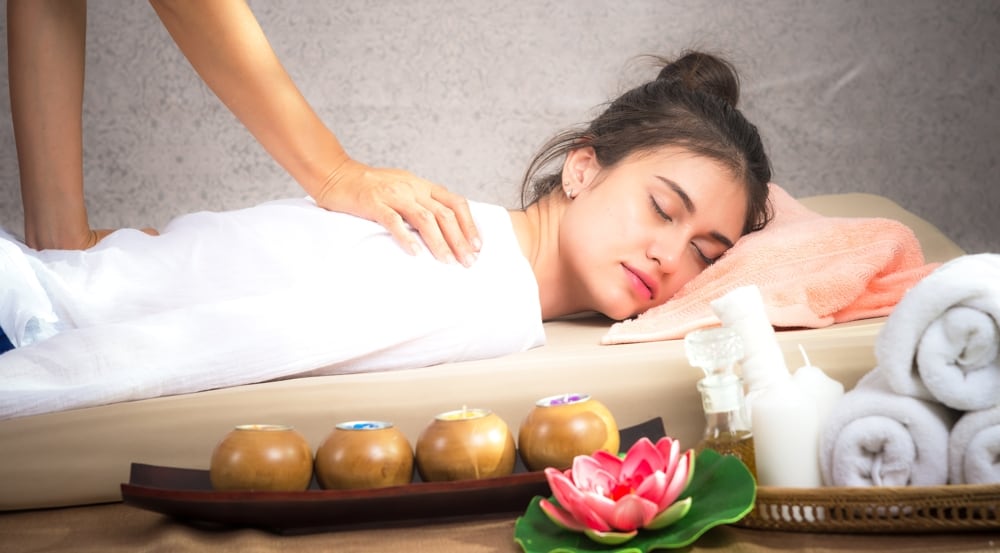
Finding meaningful ways to manage everyday pressure has become an important part of modern wellness. People increasingly value experiences that encourage quiet reflection, physical awareness, and genuine relaxation instead of another hurried activity. For those researching this type of wellness journey, secrettantric.com can provide a point of reference when learning about the principles and expectations surrounding a professional, mindful massage setting.
What Is the Purpose of a Mindful Wellness Session?
The purpose is to create dedicated time for relaxation and awareness. Rather than concentrating only on physical techniques, a mindful approach considers the connection between a person’s environment, breathing, comfort, and mental state.
This can make the experience feel more deliberate and peaceful, particularly for individuals who spend much of their time managing work and personal responsibilities.
Why Is Preparation Helpful?
A relaxed experience often begins before the appointment itself. Arriving without unnecessary rushing can make it easier to transition from a busy schedule into a calmer state of mind.
Individuals may also benefit from understanding the service beforehand. Knowing what to expect can reduce uncertainty and encourage clearer communication throughout the appointment.
How Important Are Hygiene and Professional Standards?
Hygiene is a fundamental part of any professional wellness environment. Clean rooms, fresh linens, organized facilities, and appropriate professional practices contribute to comfort and confidence.
Professional standards extend beyond cleanliness. Respectful communication, punctuality, privacy, and appropriate boundaries are equally important indicators of a responsible service environment.
Can Massage Encourage Greater Body Awareness?
Massage and mindful relaxation can encourage people to notice areas of physical tension that may otherwise be overlooked. Paying attention to how the body feels can support a greater understanding of personal stress patterns.
This awareness does not need to become complicated. Simply noticing whether the shoulders, back, neck, or other areas feel tense can encourage people to become more attentive to their everyday wellbeing.
Why Is Communication Important?
Every person has different expectations regarding comfort, pressure, environment, and personal space. Clear communication allows those expectations to be understood before the session begins.
A professional setting should make it easy to ask questions and express preferences. Respect should remain central throughout the experience, with personal boundaries treated as an essential part of the service.
How Does the Environment Affect Relaxation?
Noise, lighting, temperature, cleanliness, and general organization can all influence the atmosphere. A thoughtfully prepared environment can help reduce distractions and encourage a calmer mindset.
Small details can have a meaningful effect because relaxation is often easier when people feel physically comfortable and mentally secure.
Is Mindfulness Only Useful During a Session?
No. Mindfulness can become a broader lifestyle practice. Paying attention to breathing, posture, physical tension, and emotional responses during ordinary activities can encourage greater self-awareness.
Even simple habits such as taking quiet breaks, reducing unnecessary distractions, and practicing comfortable breathing can complement a wider personal wellness routine.
How Can Someone Evaluate a Professional Wellness Provider?
Research should focus on clarity, professionalism, privacy, hygiene, communication, and the overall presentation of the service. Transparent information can help potential clients make informed decisions.
It is also important to choose an environment where personal boundaries are clearly respected. A quality wellness experience should feel comfortable, organized, and professional from the first interaction.
What Is the Broader Value of Mindful Relaxation?
The broader value lies in creating intentional space for wellbeing. In a world shaped by constant notifications, demanding schedules, and digital distractions, taking time to slow down can be valuable.
A thoughtful wellness experience can encourage people to become more aware of their bodies, breathing, surroundings, and personal needs. When approached professionally, relaxation becomes more than a temporary escape; it can become part of a balanced approach to everyday self-care.
