
Introduction
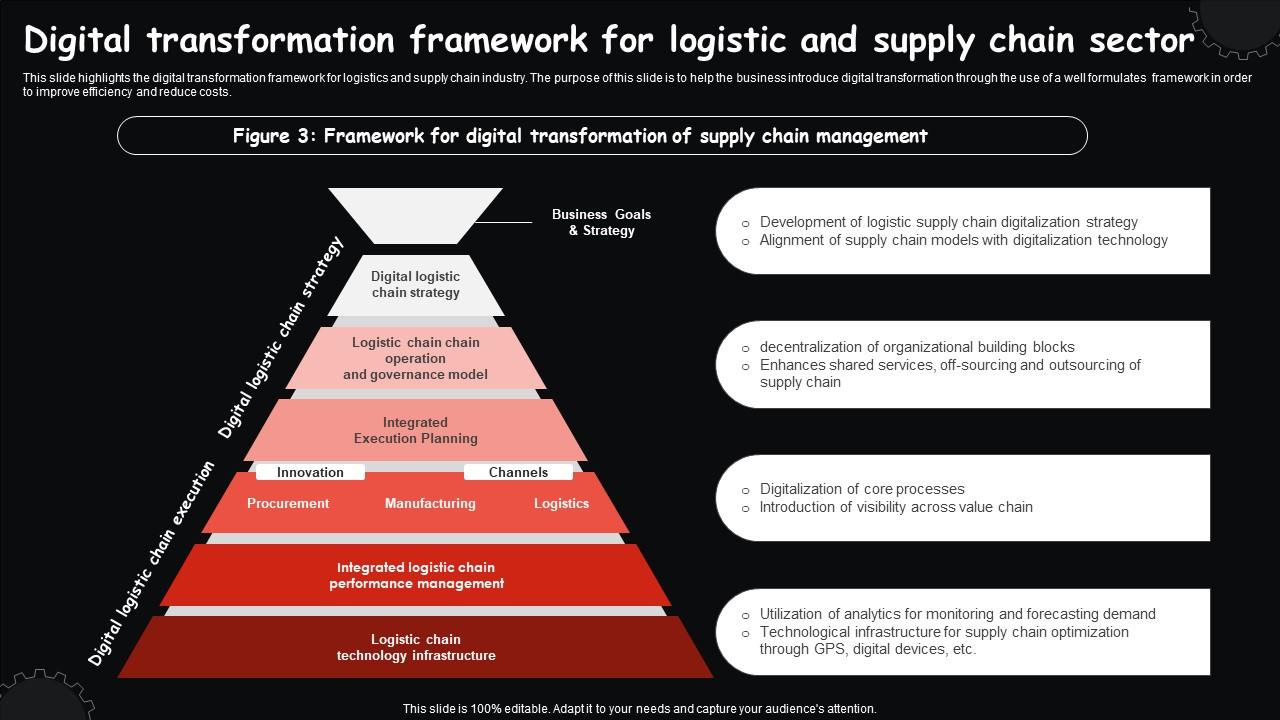
Supply chain transformation involves more than purchasing new software and changing a few processes. Businesses need to understand how their current operations work, identify weaknesses and determine how technology can support future goals. This is where Discovery, Design & Plan (DDP) can provide a structured starting point.
DDP is a planning approach that helps businesses understand their requirements, design a future-state solution and create a practical road-map before committing to implementation.
Discovery: Understanding the Current Business
The discovery stage focuses on understanding how a business operates today. This includes reviewing existing processes, systems, data, work-flows and challenges across areas such as purchasing, inventory, sales, fulfillment and finance.
Teams can use this stage to identify bottlenecks and repetitive manual activities. For example, a business may discover that employees are entering the same information into several systems or that inventory data is not easily accessible across different locations.
Key Areas to Explore During Discovery
1. Current processes:
Documenting how orders, purchasing, inventory and fulfillment currently work can reveal inefficient or duplicated activities.
2. Existing systems:
Reviewing the software already in use helps identify integration gaps and areas where systems may not communicate effectively.
3. Data flows:
Understanding how information moves between departments can highlight manual entry and potential data-quality problems.
4. Business challenges:
Speaking with employees and managers can uncover operational issues that may not be visible in performance reports.
Design: Creating the Future-State Solution
Once the current environment is understood, the design stage focuses on determining how the improved operation should work. This can involve mapping future work-flows, define system requirements and decide how different applications should exchange information. Instead of selecting software based purely on a list of features, businesses can consider how technology should support their actual processes.
Important Elements of the Design Stage
1. Future work-flows:
Designing improved processes can help businesses reduce unnecessary steps and create more consistent operations.
2. System requirements:
Defining essential functionality helps ensure the chosen technology supports genuine business needs.
3. Integration requirements:
Identifying which systems need to communicate can create a more connected flow of information.
4. Prioritization:
Separating essential features from optional improvements can help businesses control costs and project complexity.
Plan: Turning the Strategy into a Road-map
The planning stage turns the findings and proposed design into an actionable project road-map. It can outline implementation activities, expected costs, time lines, resources and priorities.
What a Strong Implementation Plan Can Include
1. Project scope:
Clearly defining what is and is not included helps prevent uncontrolled changes during implementation.
2. Timeline:
Establishing realistic milestones gives teams a clear understanding of when important activities should happen.
3. Budget:
Estimating implementation and ongoing costs can support more informed investment decisions.
4. Risks and dependencies:
Identifying potential problems early allows businesses to prepare solutions before implementation begins.
5. Training requirements:
Planning employee training ensures users are prepared for new systems and processes.
Conclusion
Supply chain transformation should be treated as a business improvement project, not simply a technology upgrade. Discovery, Design & Plan provides a structured way to understand existing operations, define the desired future state and establish a realistic path between the two.
By investing time in understanding processes, designing connected work-flows and planning implementation carefully, businesses can enter their supply chain transformation with clearer requirements, better expectations and a stronger foundation for long-term success.
